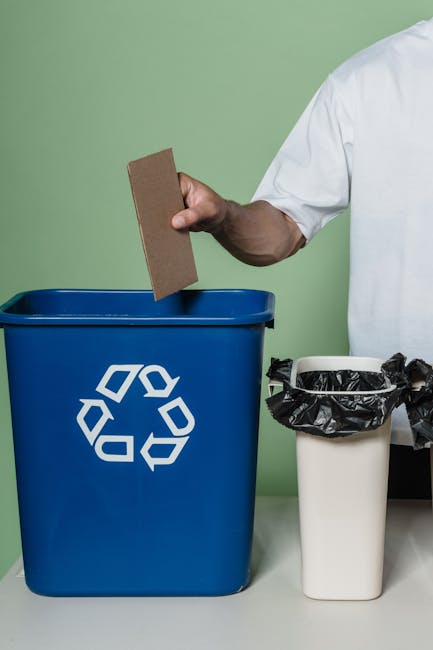
Furniture disposal rules for Kentish Town removals and reuse

Moving house or clearing a flat in Kentish Town can turn into a furniture puzzle very quickly. One minute you are excited about a new place, the next you are staring at a sofa, two wardrobes, a dining table, and that old desk that somehow survived three moves already. The tricky bit is not just getting it out of the property. It is understanding the furniture disposal rules for Kentish Town removals and reuse so you do the right thing, avoid last-minute stress, and keep as much as possible in use for longer.
In practical terms, that means knowing what can be reused, what should be donated, what needs specialist handling, and what should be taken away responsibly. If you are planning a move, downsizing, or handling an end-of-tenancy clear-out, this guide walks you through the full process in plain English. It also explains when a removal service such as furniture removals or a furniture pick up can make life easier, especially when time is tight and the stairwell is less than friendly. Let's face it, London flats are rarely designed with large wardrobes in mind.
By the end, you will know how to separate reuse from disposal, what to check before anything leaves the property, and how to make the whole thing smoother for everyone involved.
Why Furniture disposal rules for Kentish Town removals and reuse Matters
Furniture disposal rules matter because furniture is not just "stuff to get rid of". In a move, each item can have a different best outcome. A bookcase might be ideal for reuse. A mattress might need more careful disposal. A dismantled wardrobe may be straightforward to move, but awkward to dump carelessly. If you get the classification wrong, you risk wasting useful items, paying for the wrong service, or leaving yourself with a problem on moving day.
In Kentish Town, where homes often mean shared entrances, narrow stairs, basement flats, or tight parking, the issue becomes even more practical. You need a plan that respects building rules, protects communal areas, and keeps the move efficient. That is especially true if you are booking flat removals, arranging a full home move, or clearing out a mixed household and office space.
Reuse also has a wider value. Good-quality furniture can help someone else, reduce unnecessary waste, and lower the overall burden of disposal. To be fair, some items are simply at the end of the road. But many are not. A solid chest of drawers with a wobbly handle is often far more reusable than people think. A quick repair, a clean, or a minor adjustment can make all the difference.
There is also a trust factor. When a mover or disposal team handles furniture responsibly, you feel it. The process is calmer. Less guessing. Fewer "where does this go?" moments. And, as anyone who has watched a sofa get stuck halfway through a hallway will know, calm is underrated.
How Furniture disposal rules for Kentish Town removals and reuse Works
The basic idea is simple: sort furniture into categories before moving day. Then decide whether each item should be kept, reused, donated, sold, stored, recycled, or removed as waste. The detailed steps vary depending on condition, material, size, and whether access is easy enough to carry the item safely.
Here is the usual flow in real life:
- Assess the item - ask whether it is still usable, structurally sound, and worth transporting.
- Check dimensions and access - measure doorways, stairs, lifts, and any awkward turns.
- Choose the best route - reuse first, then resale, donation, storage, or disposal.
- Prepare the furniture - remove loose parts, empty drawers, tape fragile sections, and dismantle where sensible.
- Arrange collection or transport - this may be part of a broader service such as removal services or a smaller job using man and van.
- Keep records where needed - especially if you are disposing of business furniture or anything with a landlord, leaseholder, or building manager involved.
A good removal team will usually ask what is staying, what is going, and what is reusable before the van even arrives. That is not them being nosy. It saves time, protects items that should not be crushed or scratched, and helps sort logistics properly. If you have ever stood in a hallway with a door off its hinges and a pile of screws in a mug, you know why this matters.
For heavier or specialist items, the rules become a little more careful. Armchairs, wardrobes, cabinets, and beds often need dismantling or extra protection. Sofas may be reusable if the fabric and frame are sound. Office desks and shelving can often be moved with minimal fuss, while older or damaged units may be better removed for recycling or responsible disposal. If you are clearing a workspace, office removals and commercial moves are usually more appropriate because the process needs more coordination than a domestic clear-out.
Key Benefits and Practical Advantages
Following furniture disposal rules properly is not only about compliance or tidiness. It gives you real practical benefits, especially during a hectic move.
- Less waste - reusable furniture stays in circulation instead of heading straight to disposal.
- Lower moving load - fewer items to carry means quicker loading and less risk of damage.
- Better cost control - removing fewer items can reduce labour, vehicle space, and time.
- Cleaner handover - landlords and agents tend to prefer a tidy, cleared property.
- More flexibility - storing or reusing items gives you breathing room if you have not decided yet.
- Better environmental outcome - reuse is usually the simplest way to avoid unnecessary waste.
There is another quiet benefit that people often miss: emotional relief. Furniture usually holds memories. A table might be where your child did homework. A chair might have been in every home you have had since your first job. Reuse can make letting go feel less abrupt. Even when the item cannot stay with you, it can still be useful to someone else. That helps.
If you are trying to keep things flexible between moves, storage can be a smart middle step. A few pieces might be worth holding onto while you work out the layout of the new place. In those cases, storage can bridge the gap without forcing rushed decisions.
Who This Is For and When It Makes Sense
This topic matters to quite a few people, not just homeowners. In Kentish Town and nearby areas, the same furniture rules apply whether you are moving from a compact flat, a family house, a shared student property, or a business unit.
- Home movers who want to avoid taking damaged or unnecessary furniture to the new place.
- Flat residents who need to work around lifts, narrow staircases, or building rules.
- Students leaving furnished accommodation with a mix of personal and borrowed items.
- Landlords and letting agents who need a property cleared properly between tenancies.
- Businesses updating office furniture, desks, seating, or storage units.
- People downsizing who simply do not have room for everything anymore.
It also makes sense when the timeline is tight. If you have keys to hand back by Friday afternoon and the sofa has not fitted through the hall for ten years, the clock suddenly feels very loud. In that moment, a small, practical plan beats a vague hope every time. Sometimes you need a same-day solution, which is where same day removals can be helpful if the job is urgent and the access is straightforward enough.
Truth be told, many people only think about furniture disposal at the very end. That is when mistakes happen. If you are moving at all, it is better to ask early: what is staying, what is going, and what is worth saving?
Step-by-Step Guidance
Here is a straightforward way to handle furniture disposal and reuse without overcomplicating it.
- Walk through every room
Make a simple list of each furniture item. Do not just focus on big pieces. Small cabinets, side tables, stools, and shelves matter too. They add up quickly. - Sort items into four groups
Keep, reuse, donate/sell, and dispose. If you are unsure about an item, put it in a maybe pile and revisit it later the same day. Decision fatigue is real. - Check whether the item is reusable
Look at the frame, joints, upholstery, surfaces, and hardware. A piece can be scruffy and still usable. But if it is broken, badly warped, infested, or unsafe, reuse is not the right path. - Measure access routes
Measure the furniture and the route out of the property. Stairwells, landings, corners, and door frames can be the difference between a smooth move and a real headache. - Decide whether dismantling helps
Bed frames, wardrobes, and some shelving units often move better when taken apart. Keep screws, fittings, and instructions in a bag taped to the main piece. Old-fashioned, yes. Effective, absolutely. - Match the item to the right solution
Reusable items can be passed on, listed for sale, or moved to storage. Less useful furniture can be removed through a professional service such as furniture removals. - Prepare the item properly
Remove cushions, glass shelves, loose shelves, and anything that can fall out. Wrap corners if needed. A bit of prep saves a lot of groaning on the stairs. - Confirm what happens after collection
Ask how the items will be handled. Good practice is to prioritise reuse where possible, then responsible disposal for what cannot be repurposed.
If you are moving a full household, a service like house removals or house removalists can be the more practical choice because furniture disposal often forms only one part of the whole job. A team that can manage the move and the unwanted items together keeps the day simpler. Much simpler.
Expert Tips for Better Results
Small decisions make a surprisingly big difference. These are the habits that usually save time and frustration.
- Start with the biggest item first - if the wardrobe cannot leave, nothing else matters until that is sorted.
- Photograph items before deciding - a quick photo can help when you are debating whether something is sellable or fit for reuse.
- Measure twice, move once - a tape measure is boring until it saves a failed removal attempt.
- Label reusable parts - shelves, legs, and hardware are easy to lose in the chaos.
- Keep communal spaces clear - if you live in a shared building, protect hallways, lifts, and stairwells.
- Plan around timing - a morning collection is often easier than squeezing everything into a tired late-afternoon rush.
A useful rule of thumb is this: if an item is structurally sound and likely to be wanted by someone else, reuse deserves a proper look. If it is only barely hanging on, be honest with yourself and move on. Nobody needs a heroic rescue mission for a wobbly bedside table.
Also, if you are comparing services, take a moment to look at pricing and quotes and the company's recycling and sustainability approach. A clear quote and a sensible reuse policy usually tell you a lot about how the job will be handled.
Common Mistakes to Avoid
Most furniture disposal problems are avoidable. They usually happen because people are in a rush or assume all items can be dealt with the same way. They cannot.
- Leaving sorting until moving day - this creates pressure and poor decisions.
- Assuming bulky equals unusable - large furniture can still be valuable and reusable.
- Not checking access - if it will not fit through the hallway, that needs solving before the van arrives.
- Mixing reusable items with waste - once things are piled together, the best pieces are often forgotten or damaged.
- Forgetting building rules - some blocks have specific lift, parking, or loading restrictions.
- Ignoring safety - heavy furniture can cause injury if you try to shift it alone or without the right equipment.
One of the more common oversights is overestimating how "easy" a quick self-move will be. A small chest of drawers seems harmless until it is on a damp pavement and you are trying to angle it around a van door. Not ideal, frankly.
If you need a vehicle suitable for a smaller clearance or mixed furniture job, options like removal van, man with van, or removal truck hire can be useful depending on the volume and access. The key is matching the vehicle to the actual job, not the job you hoped it would be.
Tools, Resources and Recommendations
You do not need a complicated toolkit to manage furniture disposal well. A few basic items and the right kind of support are usually enough.
| Item or resource | What it helps with | Best use |
|---|---|---|
| Tape measure | Checking furniture size and access routes | Before booking collection or removal |
| Label stickers or masking tape | Marking reusable parts and box contents | When dismantling beds, tables, or wardrobes |
| Basic tools | Dismantling furniture safely | Flat-pack items and modular units |
| Protective blankets or wrapping | Reducing scuffs and scratches | Transporting reusable items |
| Professional removal support | Heavy lifting, sorting, transport, and responsible handling | When time, access, or volume make DIY unrealistic |
For many people, the most useful recommendation is simple: choose a mover that understands both transport and reuse. A team used to removals can usually help you keep the process organised, while a smaller load might suit man with a van if you are moving only a few items.
If the job involves a mix of household items, boxes, and furniture, it also helps to have proper packing support. Services such as packing and boxes or packing and unpacking services can keep reusable furniture from getting scratched, which matters more than people think.
Law, Compliance, Standards, or Best Practice
Furniture disposal in the UK should be handled responsibly, and it is sensible to stay within accepted waste and duty-of-care expectations. You do not need to become a legal expert to do the right thing, but you should understand the basics.
In plain terms, the best practice is to ensure waste is passed to a legitimate, responsible handler and that reusable items are separated where possible. If furniture is being removed from a property, it should not be fly-tipped, abandoned in a communal area, or left outside as if it will vanish by magic. Spoiler: it will not. It will just annoy your neighbours.
For business premises, the standard should be even higher. Office clearances may involve equipment, shelving, desks, chairs, and mixed waste streams, so careful handling matters. Keeping reusable items separate from disposal items can help support better reuse outcomes and cleaner handovers. If you are dealing with a workplace move, office relocation services may be the more structured approach.
Health and safety is another big part of compliance. Furniture can be awkward, heavy, unstable, or sharp around the edges. A responsible mover should follow safe lifting practices, protect property surfaces, and avoid asking one person to do a two-person job. You can also review a provider's health and safety policy and insurance and safety information to understand how they approach risk.
There is one more practical standard worth mentioning: clarity. A clear agreement on what is being removed, what is being reused, and what is being stored helps avoid misunderstandings later. That may sound basic, but it saves a lot of back-and-forth on the day.
Options, Methods, or Comparison Table
Different furniture items need different treatment. Here is a practical comparison to help you decide quickly.
| Option | Best for | Pros | Trade-offs |
|---|---|---|---|
| Reuse | Good-quality items in usable condition | Most sustainable; often saves money; keeps items in circulation | Needs sorting and timing |
| Donation or passing on | Furniture that is clean and functional | Helps others; reduces waste; quick when organised early | May require flexible collection or drop-off arrangements |
| Storage | Items you are not ready to part with | Buys time; useful during staged moves or renovations | Costs more than immediate clearance |
| Professional removal | Heavy, bulky, or mixed-condition furniture | Less lifting for you; more efficient; safer | Requires booking and clear instructions |
| Disposal | Items that are broken, unsafe, or beyond reuse | Final answer for worn-out furniture | Should be done responsibly, not casually |
If you are choosing between a DIY approach and professional support, think about access first, not just price. A cheap plan that collapses at the front door is not cheap at all. For multi-room homes, a full service usually makes more sense than trying to improvise with a borrowed van and optimistic thinking.
Case Study or Real-World Example
Consider a typical Kentish Town flat move. A couple are leaving a first-floor property with a sofa, a bed frame, two bedside tables, a dining table, and an old wardrobe. They do not want to take everything, because the new place is smaller and the spare room will double as a workspace.
On the first pass, they decide to keep the bed frame and one bedside table, reuse the dining table, and remove the wardrobe and sofa. But then they take a closer look. The wardrobe is still solid and could work for someone else if dismantled properly. The sofa, however, has a damaged frame and worn fabric. Not worth the effort.
So the plan changes slightly. The wardrobe is set aside for reuse, the sofa is designated for removal, and the remaining pieces are packed with the rest of the move. The team uses a smaller vehicle load because the item count is lower than expected, and the move finishes with less rushing than planned. The whole thing is a bit messy in the middle, as moves always are, but it ends up neat and manageable.
That is the real lesson. Sorting for reuse does not just help the environment. It can change the practical shape of the move. Fewer items to carry, less van space, fewer surprises. And, yes, fewer awkward "we thought that was going too" conversations.
Practical Checklist
Use this simple checklist before furniture leaves the property:
- Have I checked whether the item can be reused?
- Is it safe to move, or does it need dismantling?
- Have I measured doors, hallways, stairs, and lifts?
- Do I know whether the item is staying, being stored, donated, or removed?
- Have I protected floors, corners, and walls where needed?
- Have I separated screws, shelves, and loose parts?
- Is there a clear plan for bulky or awkward pieces?
- Have I checked building access or parking restrictions?
- Do I have the right help for lifting and transport?
- Have I confirmed the service terms and what happens to the furniture afterwards?
If you are moving with children, pets, or a tight handover deadline, add a little extra buffer. It never hurts. A small delay for a quick re-check is better than discovering that a headboard blocks the corridor at the exact moment you need to leave.
Get a free quote today and see how much you can save.
Conclusion
Furniture disposal rules for Kentish Town removals and reuse are really about making sensible choices early. Sort the items properly, protect the reusable ones, and do not leave the awkward pieces until the last hour. That simple shift can reduce stress, improve safety, and make the whole move feel more under control.
Whether you are clearing a flat, moving a family home, or updating an office space, the best results come from a clear plan and the right level of support. Reuse first where it makes sense. Dispose responsibly where it does not. And if the job feels too big to juggle alone, bring in help that understands both removals and responsible furniture handling through our approach to careful moving and the wider move support available across the site.
Do that, and the move becomes less about clutter and more about moving forward. Which, after all, is the point.
Frequently Asked Questions
What counts as reusable furniture during a move?
Reusable furniture is anything that is still structurally sound, safe, and likely to be wanted by someone else. A scratched table or a slightly scuffed chair can still qualify if it works properly. Broken frames, severe damage, or unsafe items usually do not.
Should I try to sell furniture before disposing of it?
If the item is in decent condition, selling it can be a smart first step. It may take time, though, and moving deadlines do not always cooperate. If you are short on time, reuse or removal support may be the more realistic option.
Can all old furniture go to recycling?
No. Furniture is often made from mixed materials, and not every piece is suitable for recycling in the same way. Some items are better reused, some can be dismantled, and some are simply too damaged. The right route depends on the item itself.
What should I do with a sofa that is too damaged to keep?
If a sofa is torn, unstable, or no longer safe, it usually needs responsible disposal rather than reuse. Before arranging removal, check whether cushions, legs, or metal parts should be separated. A professional service can often advise on the best approach.
How do furniture disposal rules affect flat moves in Kentish Town?
Flat moves often involve tighter access, communal areas, and more stairs or lifts, so planning matters more. You need to think about size, weight, timing, and building rules before anything is moved. That is why flat removals are often best handled with a clear item-by-item plan.
Is it worth storing furniture instead of getting rid of it?
Sometimes, yes. If you are undecided, renovating, or waiting to see how the new space works, storage can give you breathing room. It is especially useful for furniture you like but are not ready to place in the new home yet.
What is the safest way to move bulky furniture?
Plan the route first, dismantle when sensible, and use enough help to avoid strain. Heavy furniture should not be dragged blindly through narrow spaces. If the item is awkward, using professional removal support is usually the calmer choice.
Do removal teams handle both keeping and disposing of furniture?
Many removal teams can manage mixed loads, meaning some items move to the new property while others are taken away separately. That is often the most efficient approach, especially when you want to reduce clutter and keep the move organised.
How far in advance should I sort furniture for reuse?
As early as you can. Even a few days helps. Early sorting gives you time to measure, photograph, plan transport, and decide what really deserves to come with you. Waiting until the day before usually causes headaches.
What if I am moving at the last minute?
If time is tight, focus on the biggest decisions first. Keep, remove, or store. Do not try to solve everything at once. Urgent moves may benefit from same day removals or a smaller vehicle option if the access and volume suit it.
How can I make sure my furniture is handled responsibly?
Choose a provider that is clear about safety, handling, and sustainability, and ask what happens to reusable items. Good operators should be able to explain their process plainly. If they cannot, that is usually a sign to keep looking.
What is the best first step if I do not know whether an item should stay or go?
Start with one room and ask three questions: is it useful, is it safe, and will it fit the new place? That simple filter cuts through a lot of indecision. Then move on to the next room. Nice and steady usually wins.