Camden council parking permits for Kentish Town removals
Posted on 07/07/2026
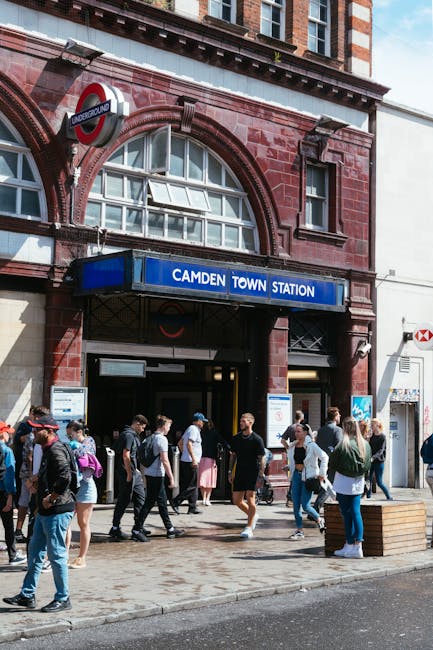
Camden council parking permits for Kentish Town removals: a practical guide for a smoother moving day
Moving in Kentish Town sounds simple until the van arrives and there's nowhere sensible to stop. That's when Camden council parking permits for Kentish Town removals stop being a boring admin task and become the difference between a calm, organised move and a day full of double-parking stress, awkward apologies, and a few very expensive surprises. If you're shifting a flat off a tight residential street, a terraced house near a busy stretch, or an office move with time pressure, parking control matters more than most people expect.
This guide explains how permit planning works in plain English, when it matters, what can go wrong, and how to prepare properly without overcomplicating the whole thing. You'll also find a checklist, a comparison table, and some grounded tips from the real-world side of moving, because let's face it, the last thing anyone wants on moving day is a van circling the block while everyone else looks mildly annoyed.
- Why parking permits matter for removals
- How the process works in practice
- Key benefits and practical advantages
- Who needs a permit and when
- Step-by-step guidance
- Expert tips for better results
- Common mistakes to avoid
- Tools, resources and recommendations
- Law, compliance and best practice
- Options and comparison table
- Case study / real-world example
- Practical checklist
- Conclusion
- Frequently asked questions
Why Camden council parking permits for Kentish Town removals Matters
Kentish Town is one of those London areas where the street layout can make moving day feel tighter than it should. You may have parked legally on the same road a hundred times in a normal car, but a removal van is a different beast. It needs space to load, space to unload, and ideally a position that keeps the crew close to the entrance rather than dragging boxes half a street.
Parking permits matter because they help reduce avoidable friction. Without a plan, the van may end up too far away, blocked in, or forced to wait while the team tries to make sense of loading restrictions. Even a short delay can cascade into missed slots, extra labour time, and unnecessary pressure. In busy streets, that pressure is what people remember most.
For renters, homeowners, and businesses alike, it is worth thinking of parking as part of the move itself, not just as a background detail. The logistics around the vehicle influence everything else: how quickly furniture is carried, how safely items are handled, and whether the crew can work efficiently. If you're arranging a flat move in Kentish Town, this becomes even more noticeable because stairwells, narrow kerbs, and shared entrances often leave very little margin for error.
There's also the simple local reality that Kentish Town streets can be busy at awkward times. School runs, deliveries, commuters, and neighbours all compete for curb space. A permit won't solve every problem, but it gives your move a better chance of going to plan.
Expert summary: If you only remember one thing, make it this: parking arrangements are not a side issue. For urban removals, they are part of the job plan, and getting them wrong can cost time, money, and patience.
How Camden council parking permits for Kentish Town removals Works
In simple terms, you're trying to secure lawful vehicle access for a removal van near the property at the right time. Depending on the road, the vehicle size, and local restrictions, the solution may involve a visitor-style permit, a suspension, temporary loading arrangements, or a permission process managed before moving day. The exact route depends on the street and the nature of the stop.
What people often miss is that parking is not just about "can the van be there?" It is also about how long it can stay, whether loading is allowed, and whether the driver can safely remain close to the entrance while the team works. If the van is too far away, small jobs start to feel bigger. If access is unclear, crew members spend precious time making calls or moving items in stages. Not ideal.
The best approach is to check the property location early, identify the likely parking constraints, and then decide which arrangement fits the move. A quick same-day move may need different handling from a planned house relocation. If you want a broader sense of local moving support, it can help to review a services overview for Kentish Town removals before booking anything.
In practice, the process usually looks like this:
- Confirm the property address and the exact move date.
- Look at the street layout, bays, signage, and likely loading space.
- Check whether the vehicle will need formal parking permission or a loading arrangement.
- Build in enough time so the van is not arriving at the last minute.
- Keep the moving team updated if the road access changes on the day.
You may also need to coordinate around shared buildings, porters, concierge access, or nearby works. Truth be told, that part often matters as much as the permit itself.
Key Benefits and Practical Advantages
Good parking preparation does more than help you avoid a fine. It improves the flow of the whole move. That sounds obvious, but people only really feel it once the van is parked well and the crew can work without constant stop-start interruptions.
- Smoother loading and unloading: Shorter carry distances usually mean faster progress and lower physical strain.
- Less waiting time: The crew can get on with the job instead of hunting for a legal place to stop.
- Lower stress: You are not spending the morning wondering whether a warden will appear at the worst possible moment.
- Better safety: Clear access reduces the need for awkward manoeuvres and repeated trips across traffic.
- Improved timing: A clean start makes it easier to hit delivery windows, lift bookings, or building rules.
For some moves, especially with heavier items or awkward access, the benefit is more than convenience. A well-positioned van can reduce the number of hand-carries and help protect furniture, floors, and walls. That matters if you are moving older pieces or anything that needs a careful hand, such as heirlooms, upright instruments, or bulky wardrobes. If that sounds familiar, it may also be worth looking at furniture removals in Kentish Town as part of a wider plan.
There's a commercial side too. If your move is being done by professionals, permit planning helps them quote more accurately and work with fewer hidden complications. That can make a noticeable difference when you are comparing services or trying to avoid surprise charges.
Who This Is For and When It Makes Sense
Not every move needs the same level of parking administration. A small hand-carry job from a quiet courtyard is very different from a full household move on a tight North London street. The question is not, "Do I need a permit in all cases?" The real question is, "Will the van need controlled access near the property?"
This topic is especially relevant for:
- flats on busy roads or narrow residential streets
- households with large furniture or multiple loads
- students moving in or out of shared accommodation
- office relocations with time-sensitive loading windows
- same-day or short-notice removals where there is less room to improvise
- anyone moving during peak traffic periods or on streets with limited stopping options
For example, a student leaving a third-floor flat with boxes and a desk may think parking is "just for the driver to sort out." In reality, the driver may need to stop close enough that the move doesn't become a relay race up and down the stairs. A small misjudgement on parking can turn a modest move into a tiring one. If that scenario sounds familiar, student removals in Kentish Town can be a useful planning reference.
This is also relevant for commercial moves. Office relocations often depend on lift bookings, staff availability, and access windows. A van parked too far away can quietly eat into a whole afternoon. If you are planning a business move, it's worth reading up on office removals in Kentish Town so parking sits inside a wider logistics picture.
Step-by-Step Guidance
If you want the simplest possible route, follow this sequence. It keeps things sensible without becoming over-engineered.
1) Inspect the street and building access early
Stand outside the property if you can. Look at where a van might actually sit, where the entrance is, and whether there are loading restrictions, red lines, controlled bays, or awkward corners. Do not assume the spot that looks "fine" for a car will work for a removal vehicle. It often won't.
2) Decide what type of access you really need
Some moves just need short loading time. Others need a larger, steadier stop. If the van needs to remain nearby for a long carry, that should influence the arrangement from the start. A one-bedroom flat with a few boxes may be manageable with minimal access planning, but a larger household move is another story.
3) Confirm timing before anything else
A move that starts at 8 a.m. is not the same as a midday job. Street activity changes, and so do parking pressures. Early starts can be calmer, but only if the parking arrangement is already lined up. If you need a fast turnaround, same-day removals in Kentish Town may help you think through the practical side of speed.
4) Coordinate with your removal team
Your movers should know if the road is tight, if there is building access to coordinate, or if the van will need a particular stopping point. Don't leave this to the last minute. A quick message the day before can save a lot of back-and-forth. Small detail, big payoff.
5) Keep proof, notes, and instructions together
Save whatever confirmation you receive. Write down any reference numbers, agreed times, or special instructions in one place. The moving morning is not the time to start searching through old texts with one shoe on.
6) Recheck the area on the day
Parking conditions can change overnight. Road works, suspended bays, or an unexpected delivery lorry can all alter the plan. A quick look outside before the van arrives is a very sensible habit.
Expert Tips for Better Results
Most permit problems are avoidable if you think like a mover for ten minutes. That is really the trick. A few practical habits go a long way.
- Book early where possible. The more notice you give yourself, the more choices you have.
- Measure the vehicle needs, not just the property size. A small flat can still generate a lot of bulky stuff.
- Tell the movers about stairs, access codes, and loading distance. This is the sort of thing that sounds minor until it isn't.
- Avoid assuming "there'll be space." In Kentish Town, space is often the whole story.
- Choose a realistic move time. Mid-morning can be calmer than school-run hours or the commuter crush.
One thing we see often is people focusing on packing while parking gets left until the end. I get why. Packing feels tangible; permits feel like admin. But the van cannot magically appear in a perfect spot because the boxes are ready. Parking and packing should be planned together. A bit dull, yes. Very useful, also yes.
If your move includes awkward items, consider how the van position affects handling. The shorter the carry, the lower the chance of scrape marks, slips, and "careful now" moments that become slightly less careful after the third trip. For more involved jobs, services like man with van Kentish Town or man and van Kentish Town can be useful to compare because access needs often sit at the heart of those decisions.

Common Mistakes to Avoid
There are a few classic errors that cause most of the pain. None of them are unusual. That is the annoying bit. People make them because they feel small at the time.
- Leaving the parking plan until the last minute. This is the biggest one, easily.
- Assuming a permit is the same as legal stopping. It may not be. Loading rules and bay restrictions still matter.
- Forgetting to check the exact street, not just the postcode. One road can be very different from the next.
- Not telling the moving company about restricted access. They can only plan around information they actually have.
- Underestimating how long loading takes. Boxes multiply. They always do.
- Ignoring building rules. Even with road access sorted, lifts, concierge rules, or time slots can still affect the move.
Another common issue is booking the cheapest option without asking how parking and access are handled. The quote can look attractive, then a "small" access issue turns into a bigger bill later. If you want to avoid that, it helps to understand the pricing model before committing. There's a useful local read on hidden fees in Kentish Town removals that fits neatly with this topic.
Also, a quick but important note: do not let the schedule become so tight that everyone is rushing from the moment the van arrives. Rushed moves tend to cost more in the end, even when the headline price looked good.
Tools, Resources and Recommendations
You do not need a complex toolkit for parking planning, but a few simple resources help a lot.
- Property notes: Keep the full address, entry instructions, and any parking notes in one place.
- Photos of the street: A couple of clear pictures can help the moving team assess the approach.
- A timing plan: Write down when you expect the van to arrive, when loading starts, and when building access opens.
- Building contact details: If your block has a management office or concierge, get the right contact early.
- Moving checklist: A simple paper checklist still works. Old-school, yes. Effective, absolutely.
It can also help to review wider moving support pages if your move is growing in scope. For example, removals in Kentish Town gives a broader picture of how the job is typically organised, while man with a van Kentish Town is handy if your move is smaller and more flexible.
If you need packing help as part of the move, keeping your parking and packing plan aligned is smart. Boxes should be ready before the vehicle arrives, not halfway through. It sounds obvious. In the real world, though, there's always that one last drawer.
Law, Compliance, Standards, or Best Practice
Because parking and loading affect public roads, neighbours, and road users, it is sensible to treat this as a compliance issue rather than a casual convenience. The exact rules depend on the location and the type of restriction, so the safest approach is to work from the specific street conditions and any local instructions that apply to that property.
From a best-practice point of view, movers should avoid unsafe loading, blocking access unnecessarily, or relying on guesswork for parking. Drivers should not create hazards for pedestrians, cyclists, or other road users just to save a few metres. That sounds straightforward, but moving day can make people a bit forgetful under pressure.
For customers, the practical takeaway is simple: give accurate information, keep records of what was agreed, and avoid making assumptions about "temporary" stopping. If there is any doubt, treat the parking issue early rather than hoping it sorts itself out later. It rarely does.
In mixed-use streets, the right solution may also involve coordinating with neighbours, building management, or local access rules. Best practice is not always glamorous, but it keeps the day civil. And honestly, a civil moving day is a good day.
Options, Methods, or Comparison Table
There is more than one way to handle vehicle access for a Kentish Town move. The right option depends on street conditions, time available, and how close the van needs to be to the property.
| Option | Best for | Strengths | Limitations |
|---|---|---|---|
| Formal parking permission or permit-based arrangement | Busy streets, longer stops, larger removals | Gives the most structured access plan | Needs advance planning and accurate details |
| Short loading stop with close coordination | Quicker moves with manageable access | Simple if the street allows it | Can be risky if timing runs over |
| Alternative stop with a longer carry | Less restrictive areas or smaller jobs | May be easier to arrange | Slower, more physical, and less efficient |
| Specialist removal planning | Flats, office moves, fragile loads | Better for complex access and timing | Requires more coordination up front |
As a rule of thumb, the tighter the street and the larger the move, the more value you get from organised access planning. That is especially true in areas with narrow staircases, older buildings, or busy roads. If you want to see how access pressure shapes a move in real life, removals for Kentish Town flats with narrow staircases is a helpful related read.
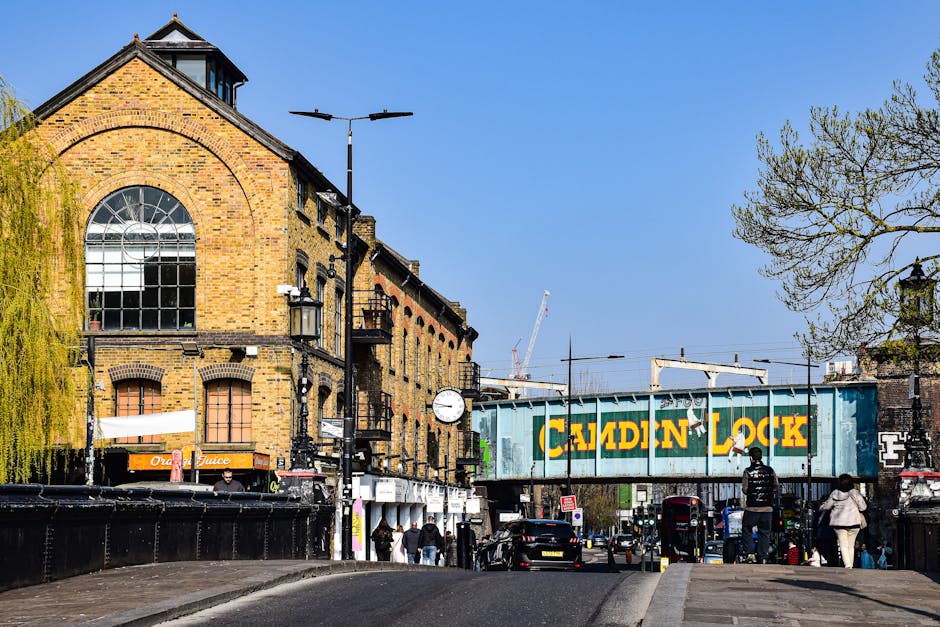
Case Study or Real-World Example
Picture a typical Saturday morning move from a first-floor flat near a busy Kentish Town street. The tenant has packed most boxes, but there's a sofa, a mattress, several plants, and a desk that has to come down a narrow staircase. The van is due at 9 a.m., but the street has limited space and plenty of passing traffic.
If parking is not thought through, the van may end up a little too far away. That means the mover carries the sofa further than expected, the lift situation becomes irrelevant because there isn't one, and each trip takes longer. The job still gets done, but the whole thing feels more tiring than it needed to be. By lunchtime, everybody is a bit grumpy, which is never the dream.
Now compare that with a move where the access plan was prepared in advance. The driver knows where to stop, the route to the property is clear, the tenant has finished boxing up the small stuff, and the team can start almost immediately. Same furniture, same street, different outcome. That difference is why parking permission and loading strategy are worth the bother.
For a fuller sense of how this plays into local moving routes and timing, the guide on moving services near Kentish Town West Station is a good nearby reference point.
Practical Checklist
Use this before moving day. Print it, copy it, scribble it on the back of an envelope. Whatever works.
- Confirm the full property address and exact move date
- Inspect the road for parking restrictions and loading space
- Decide whether the van needs close access or just brief stopping time
- Tell the movers about stairs, lifts, and entry codes
- Check building rules or management instructions
- Prepare boxes, labels, and furniture dismantling in advance
- Keep contact details for the driver and building contact handy
- Recheck the street on the morning of the move
- Allow extra time for delays, traffic, or access changes
- Keep any booking confirmations or notes in one place
Quick takeaway: if you organise the parking side early, the rest of the move usually feels easier. Not always perfect, but easier. And on moving day, that is a win.
Conclusion
Camden council parking permits for Kentish Town removals are really about one thing: making sure the van can do its job without turning your move into a chain of avoidable delays. When parking is sorted early, you get better timing, safer handling, less stress, and a far smoother day overall.
The best moves in Kentish Town are rarely the ones that rely on luck. They are the ones where access, timing, and loading are thought through before the van shows up. If you're planning your own move, use the street layout, building rules, and schedule as part of the plan, not as afterthoughts. Small detail, big difference.
If your move is getting close and you want support from people who understand the local streets, the tighter corners, and the realities of London parking, start with the basics, stay organised, and keep the day practical. You'll feel the benefit straight away.
Get a free quote today and see how much you can save.